Welcome to the official website of Nanjing Villy Inspection Co.,Ltd. !

knowledge

Villy Inspection Share-4 _Key Points for Welding Inspection of Cr-Mo Steel

Key Points for Welding Inspection of Cr-Mo Steel - part 1:

Cr-Mo steel is a critical material in the petrochemical, thermal power, and coal chemical industries. It is widely used in high-temperature, high-pressure, and hydrogen service environments, such as hydrogenation reactors, high-pressure steam pipelines, and refinery furnace tubes. Typical grades include 15CrMo, 12Cr1MoV, P11, P22, and P91. Due to its high hardenability, sensitivity to hydrogen, and susceptibility to reheat cracking, this material demands stringent welding and inspection requirements.
Based on field inspection experience, here are the key inspection points for Cr-Mo steel:

I. Pre-Welding Preparation
1. PMI is Mandatory for Material Verification
Before material receipt, use a portable PMI to verify key alloying elements (Cr, Mo, etc.) to ensure the correct grade and prevent material mix-up.
2. MT for Bevels
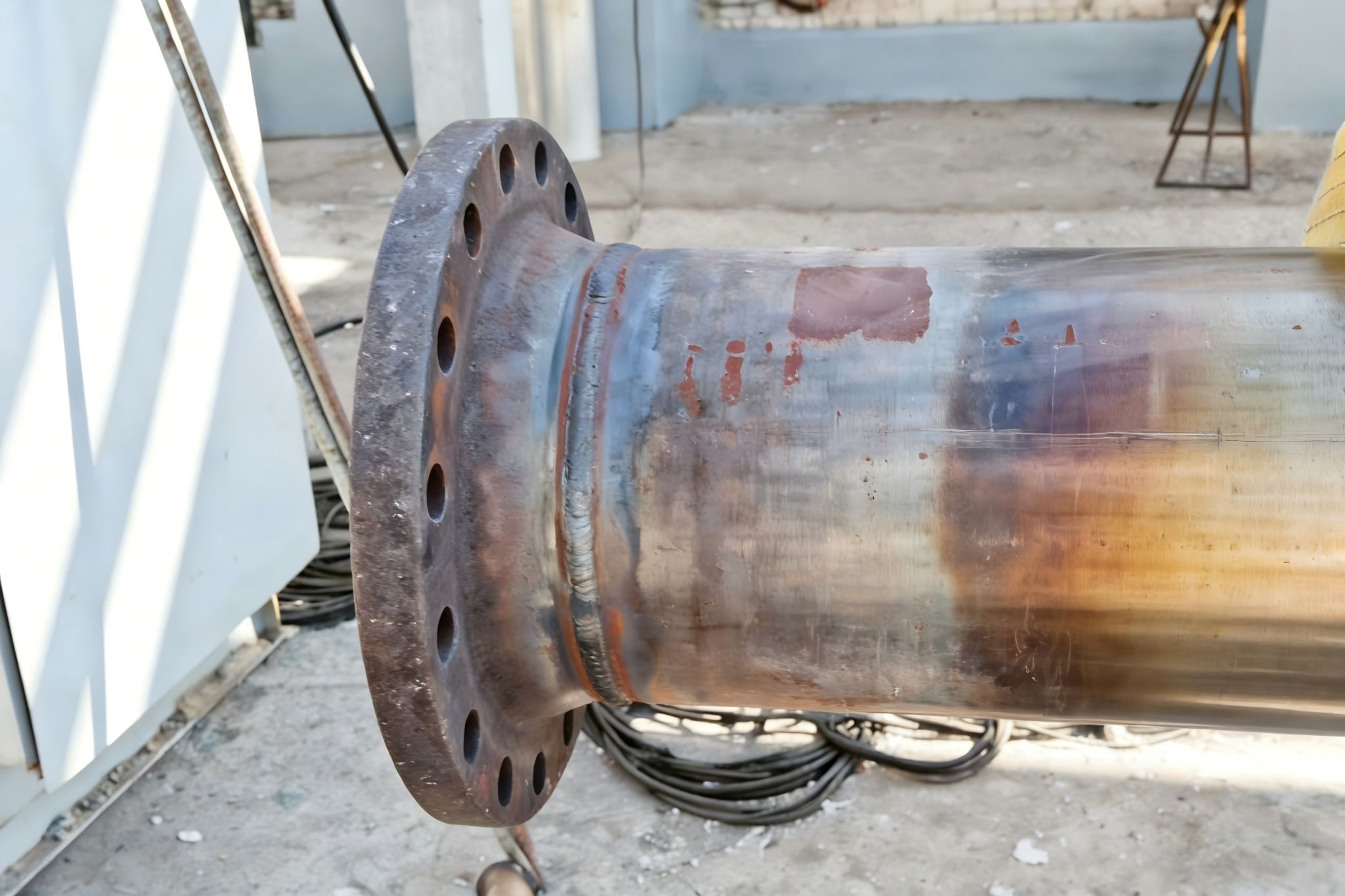
After bevel preparation and before fit-up, perform MT on the bevel face and adjacent areas to confirm the absence of micro-cracks, laminations, or machining damage.

II. Welding Process Control
3. Preheat and Interpass Temperatures Must Be Measured
Preheat according to the WPS (typically ≥150-200°C). Interpass temperature must not fall below the preheat temperature and must stay within the specified maximum (generally ≤300°C). Inspector should conduct random spot checks.
4. Strict Electrode Management to Prevent Hydrogen
Use low-hydrogen electrodes. They must be baked strictly as per requirements (e.g., 350-400°C for 1-2 hours), stored in holding ovens (80-120°C), and issued in small quantities. Never allow moisture-absorbed electrodes to be used.
5. No Undercut Allowed During Welding
Undercut is a stress concentration point. If found, it must be immediately ground and repaired. It cannot be accepted in the final product.
6. MT Mandatory After Temporary Attachment Removal
After removing temporary attachments like lifting lugs or welding fixtures, the areas must be ground smooth and inspected by MT to confirm no cracks remain before proceeding to the next step.

III. Post-Weld Heat Treatment (PWHT)
7. PWHT is Compulsory
Without PWHT, the microstructure and mechanical properties of Cr-Mo steel welds are unacceptable. Heating rate, soaking temperature, soaking time, and cooling rate must strictly follow the WPS.
8. Hardness Must Be Controlled
After PWHT, perform hardness testing on the weld, HAZ, and base metal. The requirement is typically ≤225 HBW. Higher values require analysis and rework.
9. PWHT Must Be Repeated After Repairs
Any welding repair introduces a new thermal cycle and stresses. Repaired areas must undergo the full PWHT cycle again, followed by re-NDT and hardness testing.
10. Slow Cooling is Mandatory, No Forced Cooling
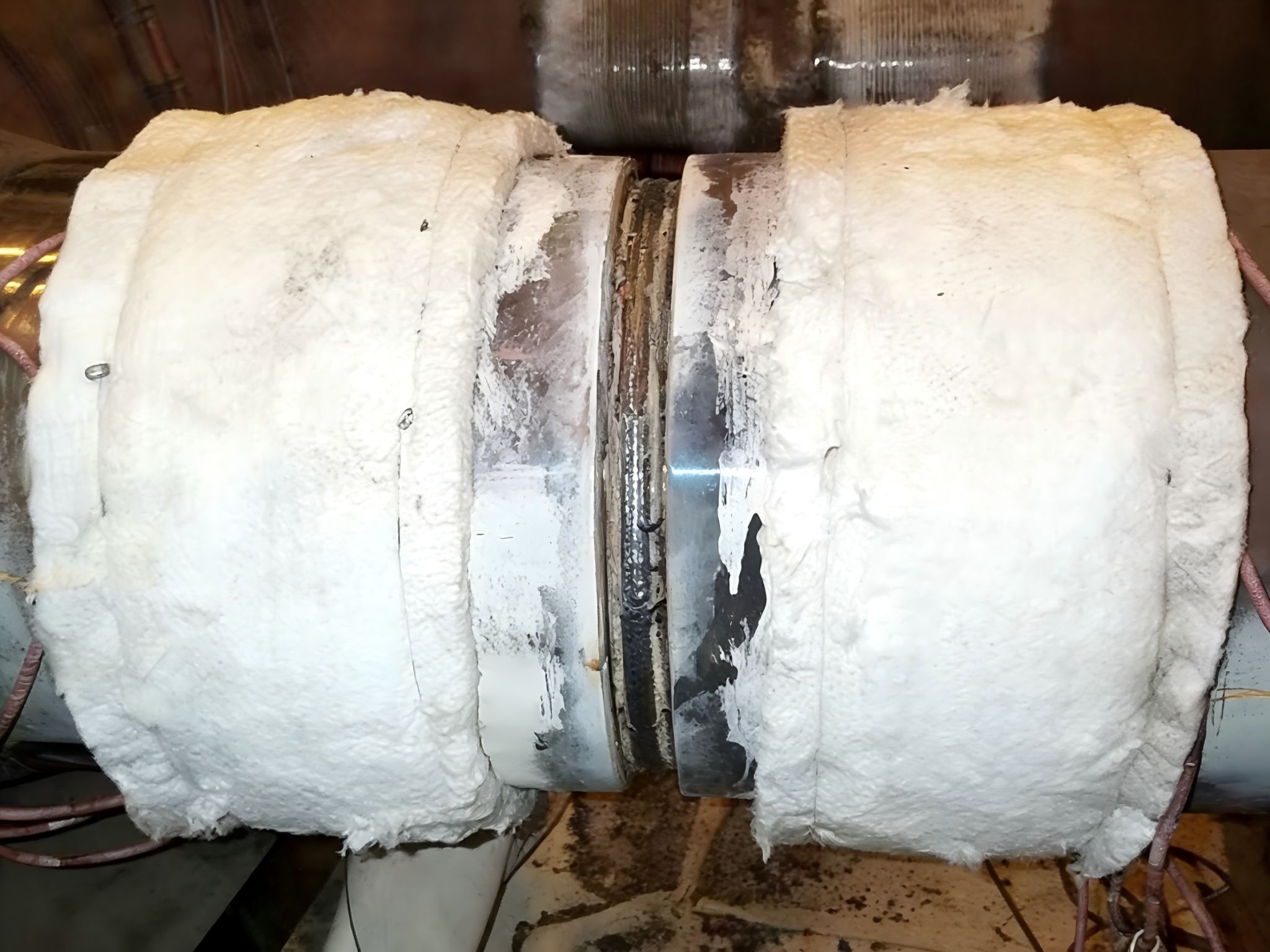
Immediately after welding, cover the weld with insulating blankets (e.g., ceramic fiber cloth). During PWHT, control the cooling rate (e.g., ≤260°C/h). Never open the furnace for forced cooling.

To be continued...


NANJING VILLY INSPECTION CO.,LTD.

Copyright © Nanjing Villy Inspection Co.,Ltd. All Rights Reserved.