
Welcome to the official website of Nanjing Villy Inspection Co.,Ltd. !
Villy Inspection Share 8_Why Do Equipment Rust Right After Commissioning?
Villy Inspection Share 8_Why Do Equipment Rust Right After Commissioning?
These 3 Coating Details Are Overlooked by 90% of Projects
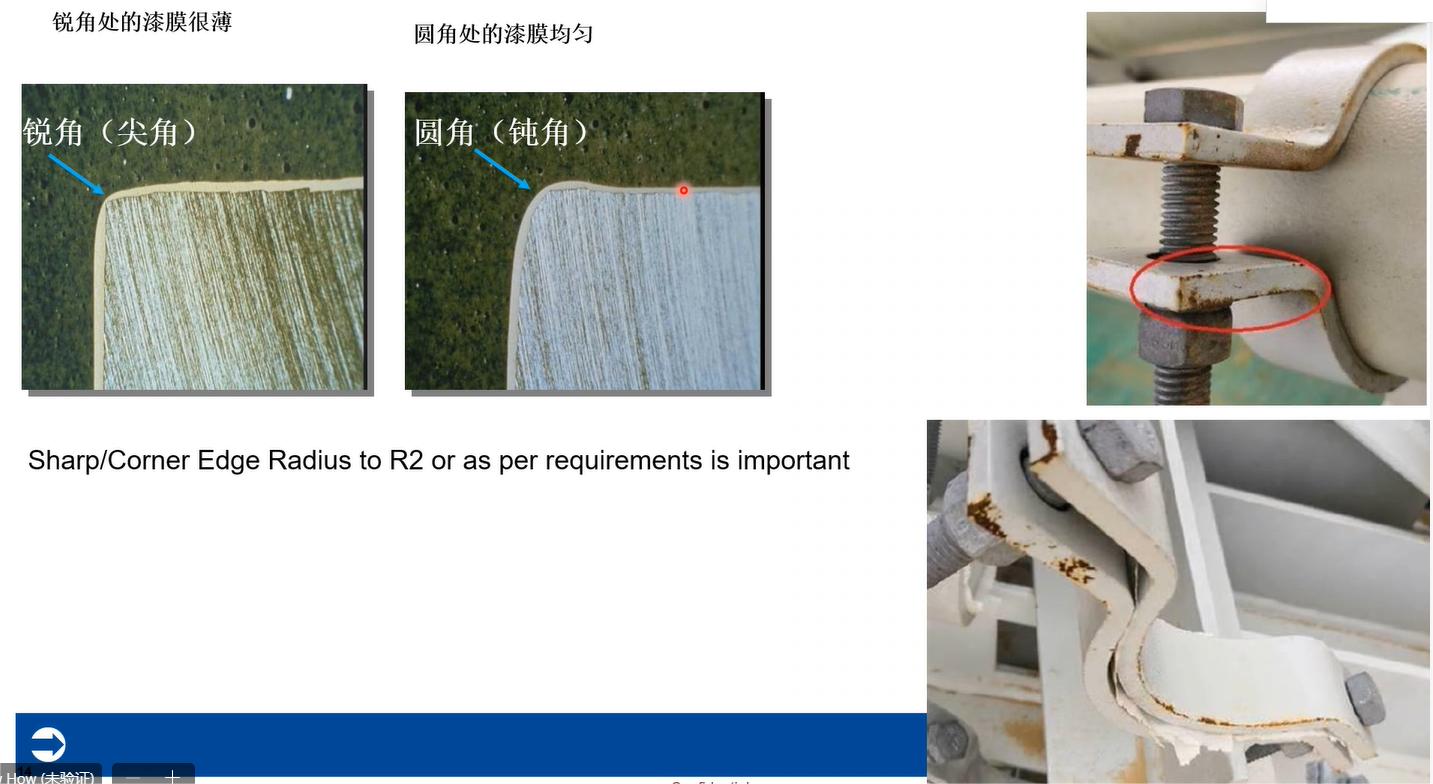
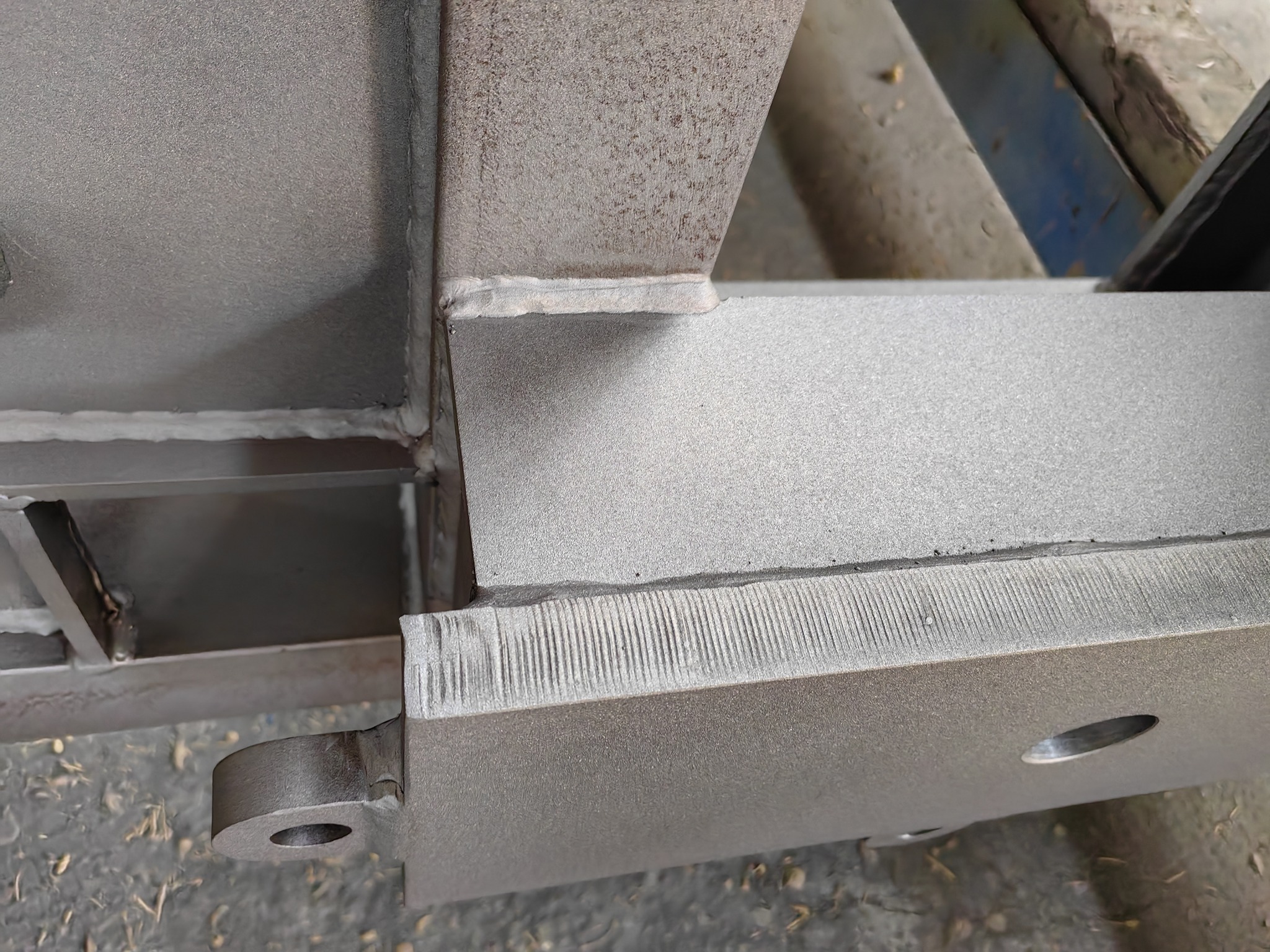
 Notes: Cut edges and welding sharp corners must be chamfered; bolt and mounting holes should be polished to ensure uniform paint adhesion.
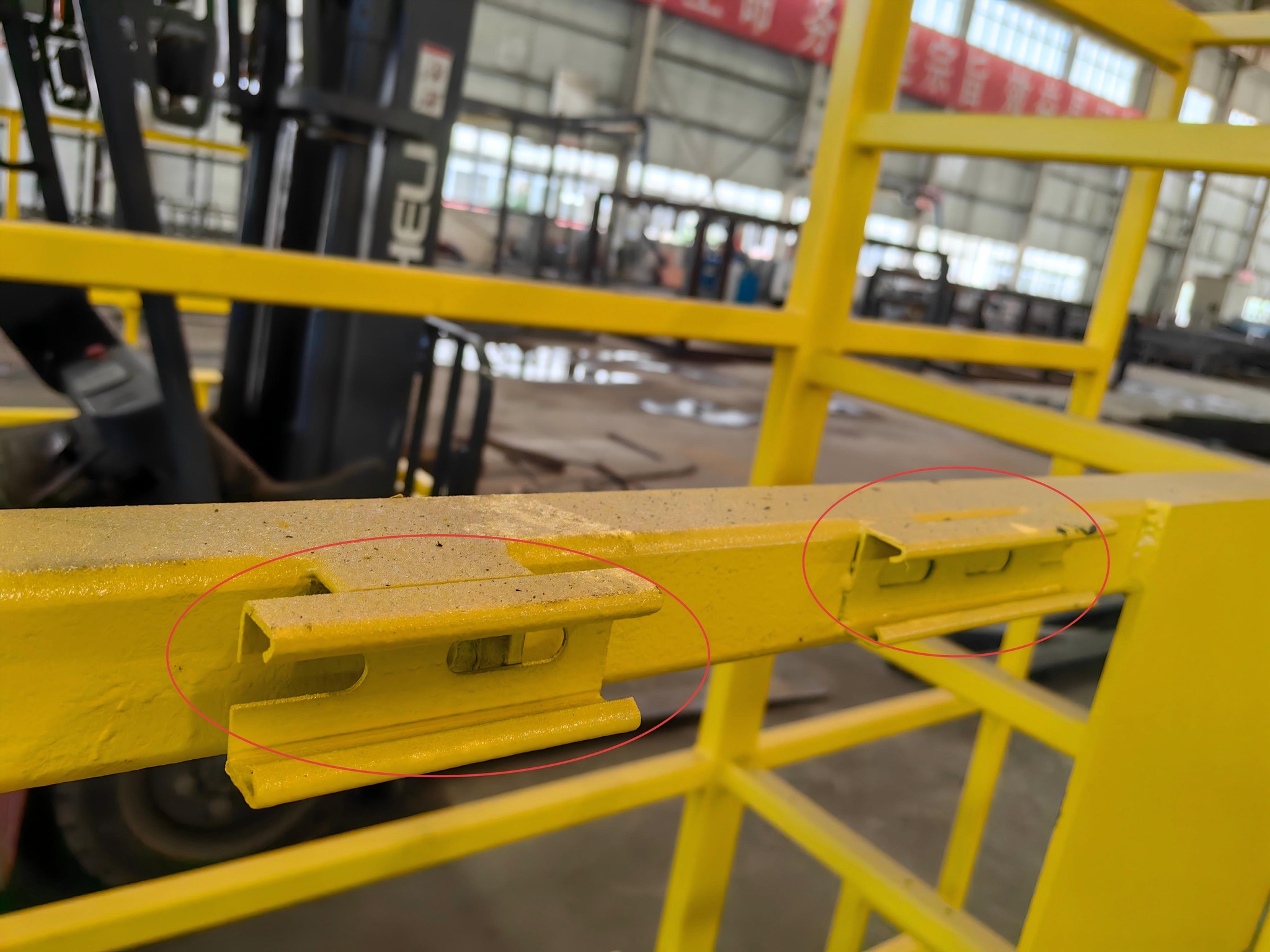
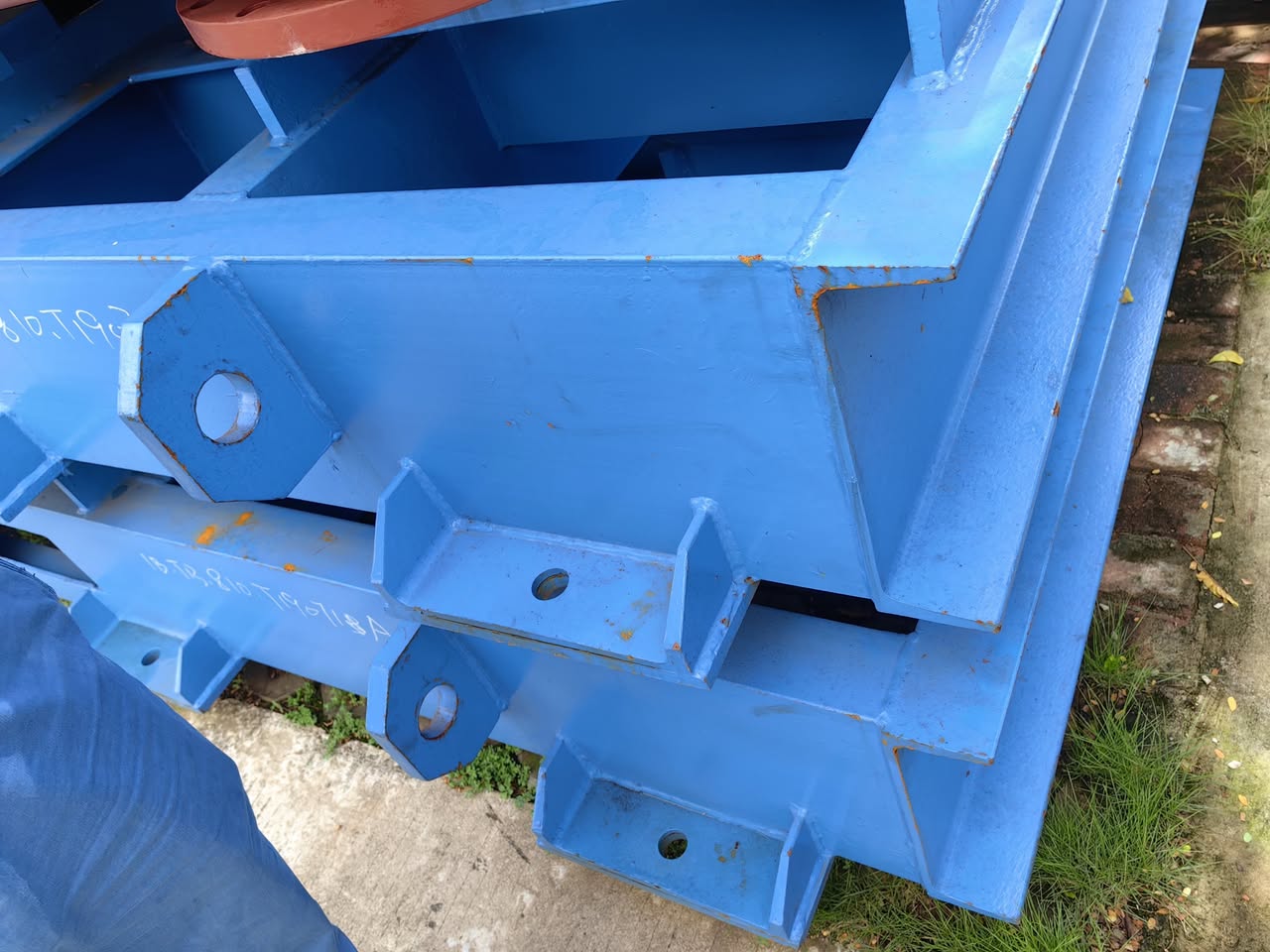
Notes: Avoid narrow closed structures in design; arrange processes properly and coat key parts before assembly.
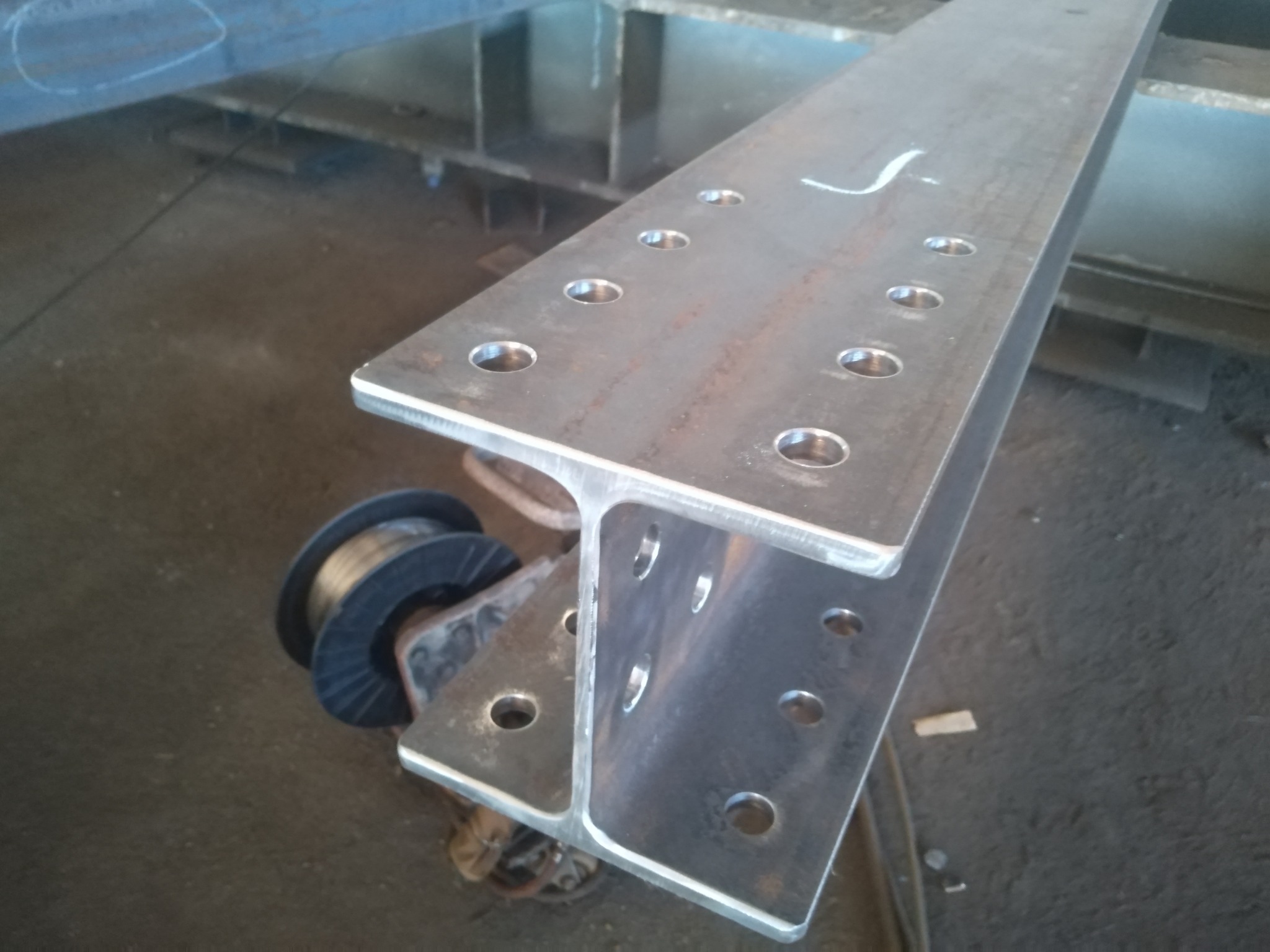
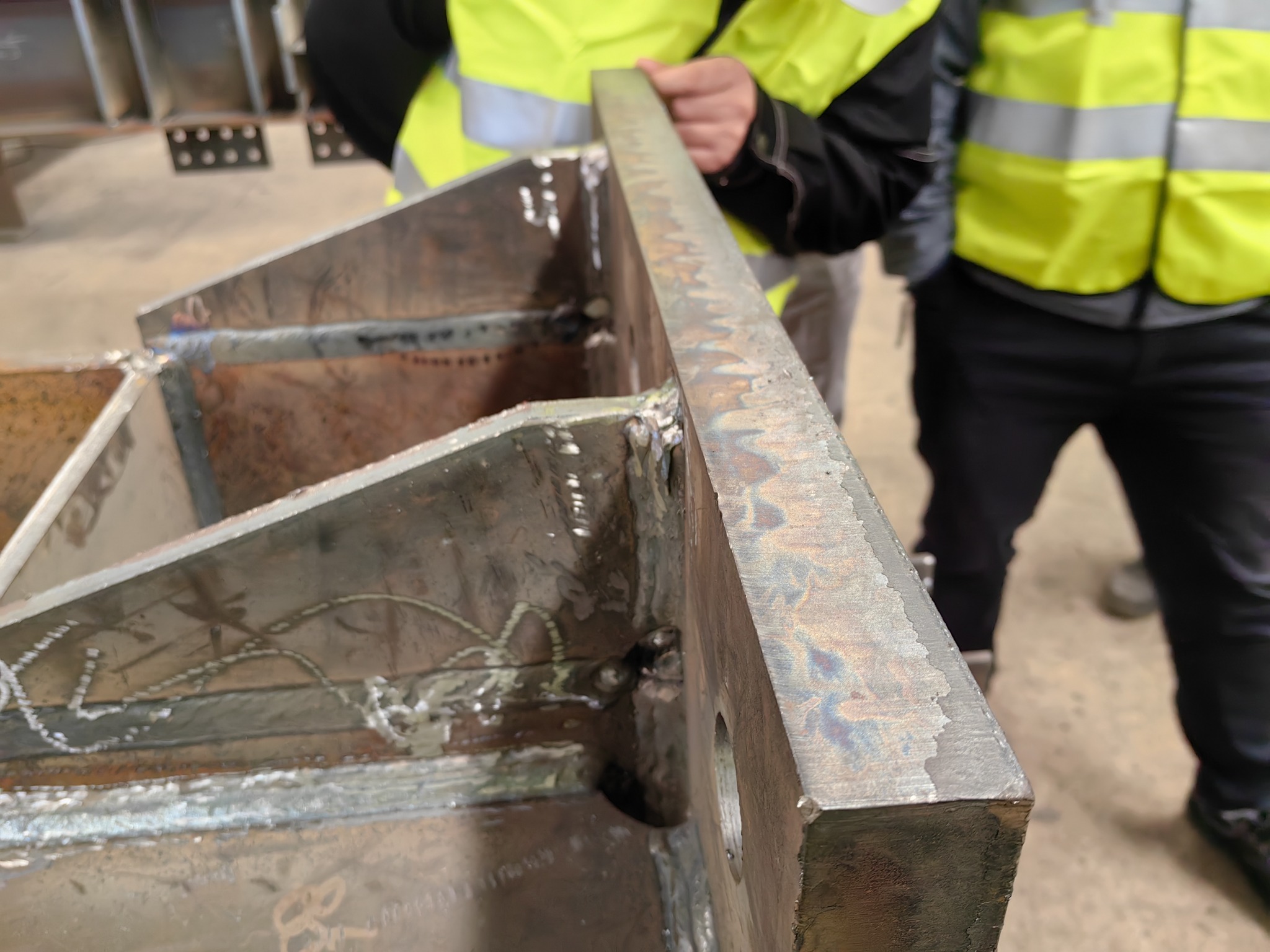
Notes: Before painting, completely remove the hardened layer and oxide scale by grinding or enhanced sandblasting to expose qualified metal.
Notes: Cut edges and welding sharp corners must be chamfered; bolt and mounting holes should be polished to ensure uniform paint adhesion.
Notes: Avoid narrow closed structures in design; arrange processes properly and coat key parts before assembly.
Notes: Before painting, completely remove the hardened layer and oxide scale by grinding or enhanced sandblasting to expose qualified metal.
Villy Inspection strictly controls the whole process and welcomes industry exchanges.
NANJING VILLY INSPECTION CO.,LTD.
Copyright © Nanjing Villy Inspection Co.,Ltd. All Rights Reserved.