
Welcome to the official website of Nanjing Villy Inspection Co.,Ltd. !
Villy Inspection Share 9_ FRP Equipment: Core Guidelines for Fabrication & Final Inspection
Widely adopted in petrochemical and chemical processes, FRP (Fiber Reinforced Plastic) equipment differs fundamentally from metallic equipment due to its fully on-site manual fabrication. This craftsmanship-dependent nature results in significant quality variability. In most field failure cases including leakage, delamination and structural cracking, construction non-compliance — rather than material defects — is the root cause.
Based on on-site third-party inspection experience, we outline a practical, field-oriented QC framework covering incoming material verification, in-process construction supervision and final acceptance for FRP equipment.
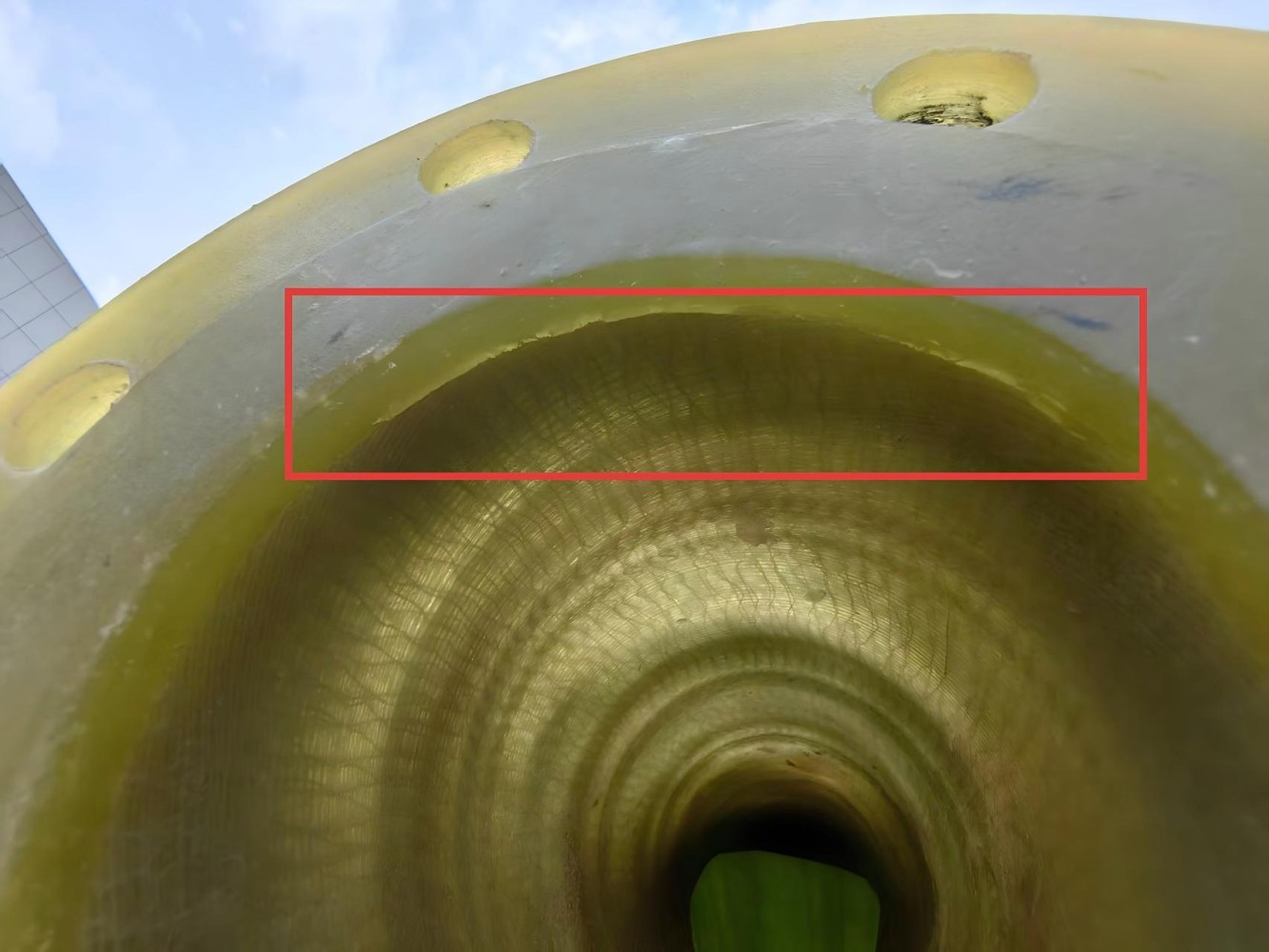
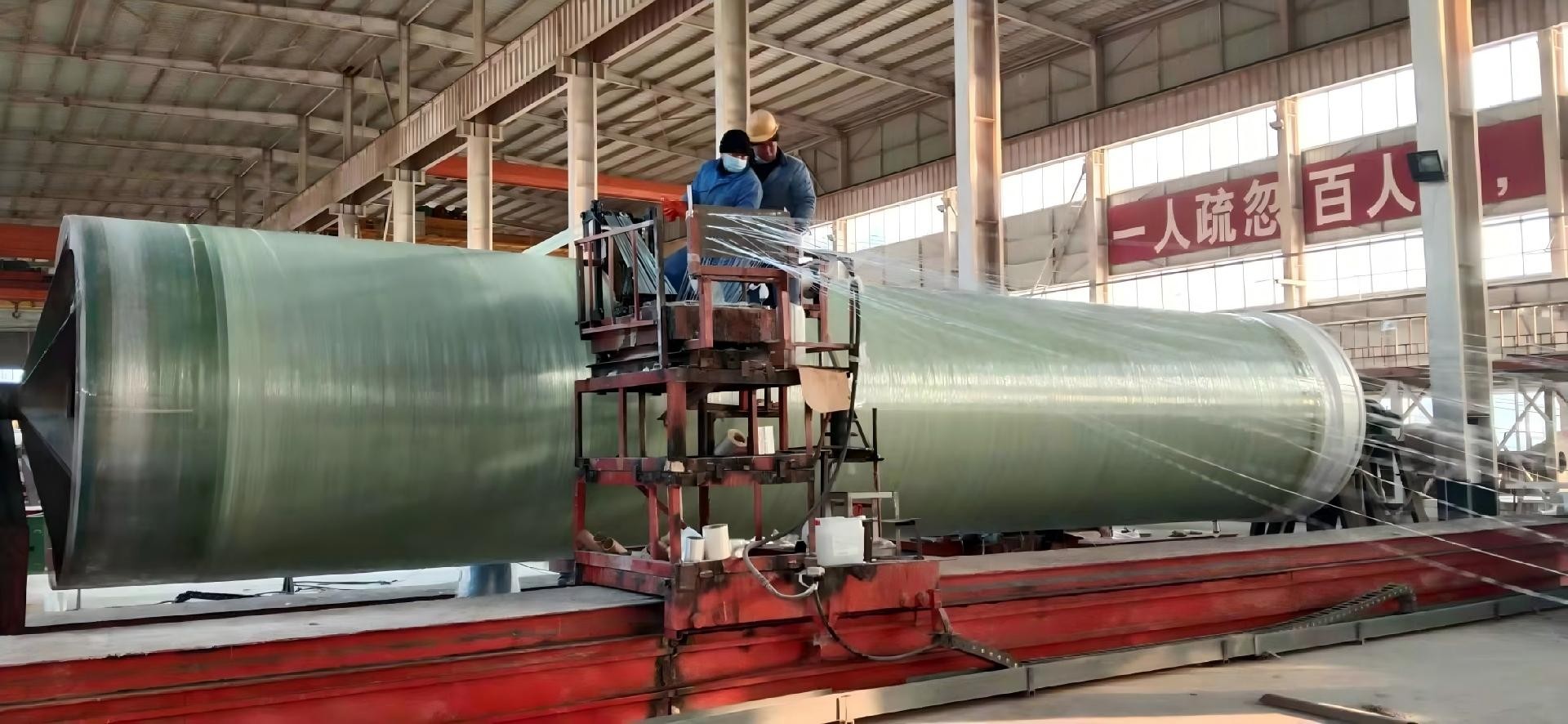
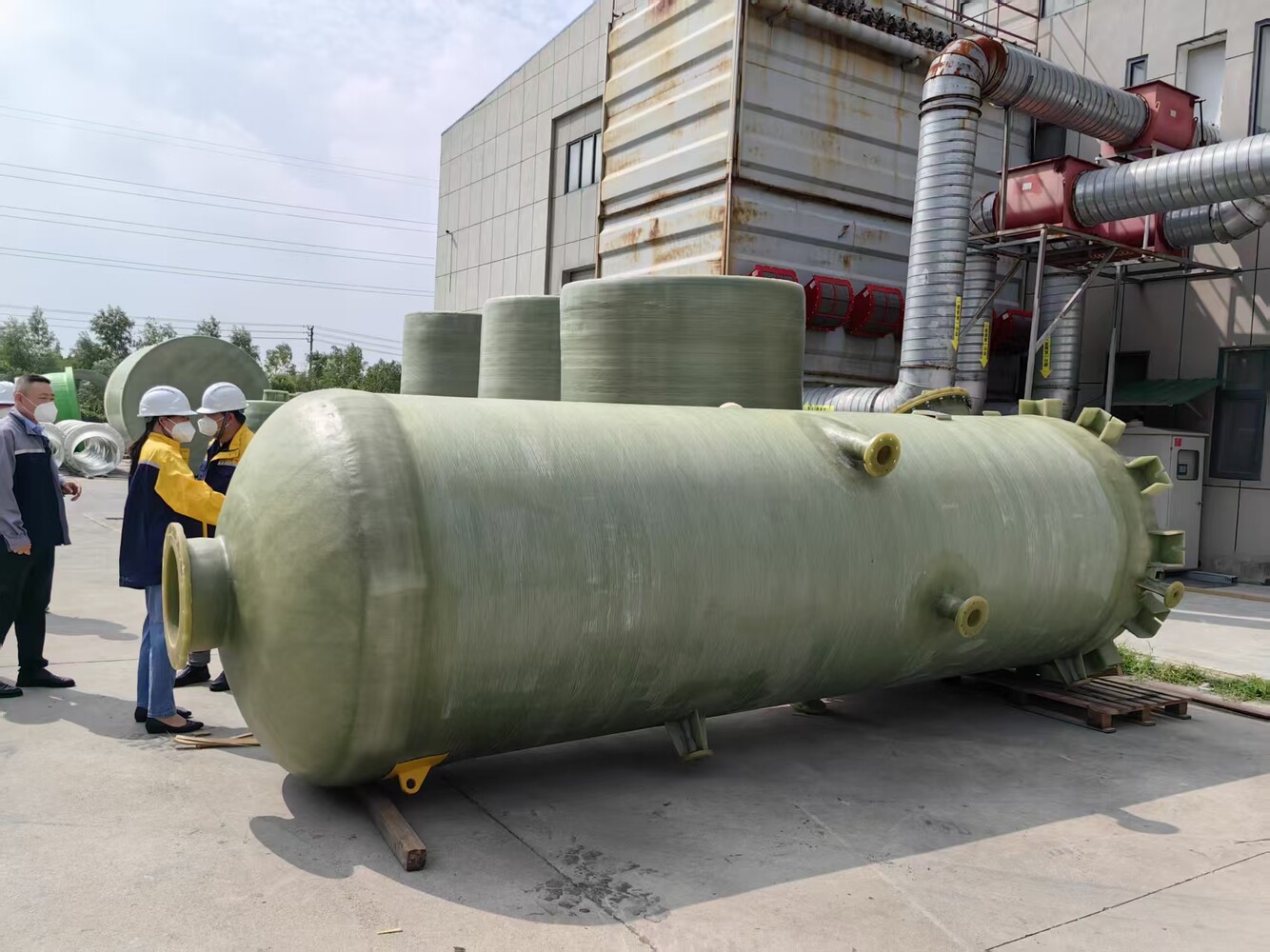
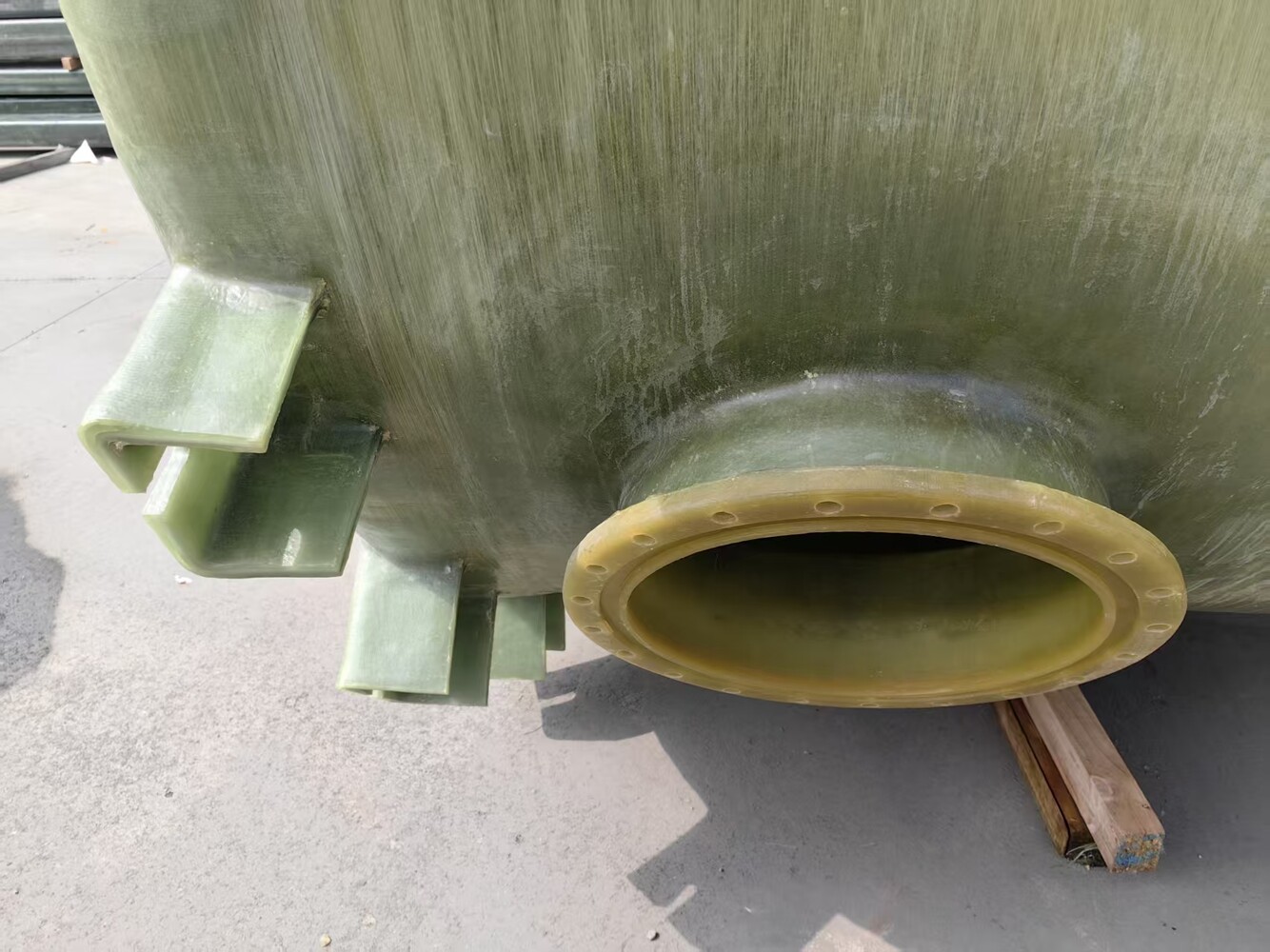
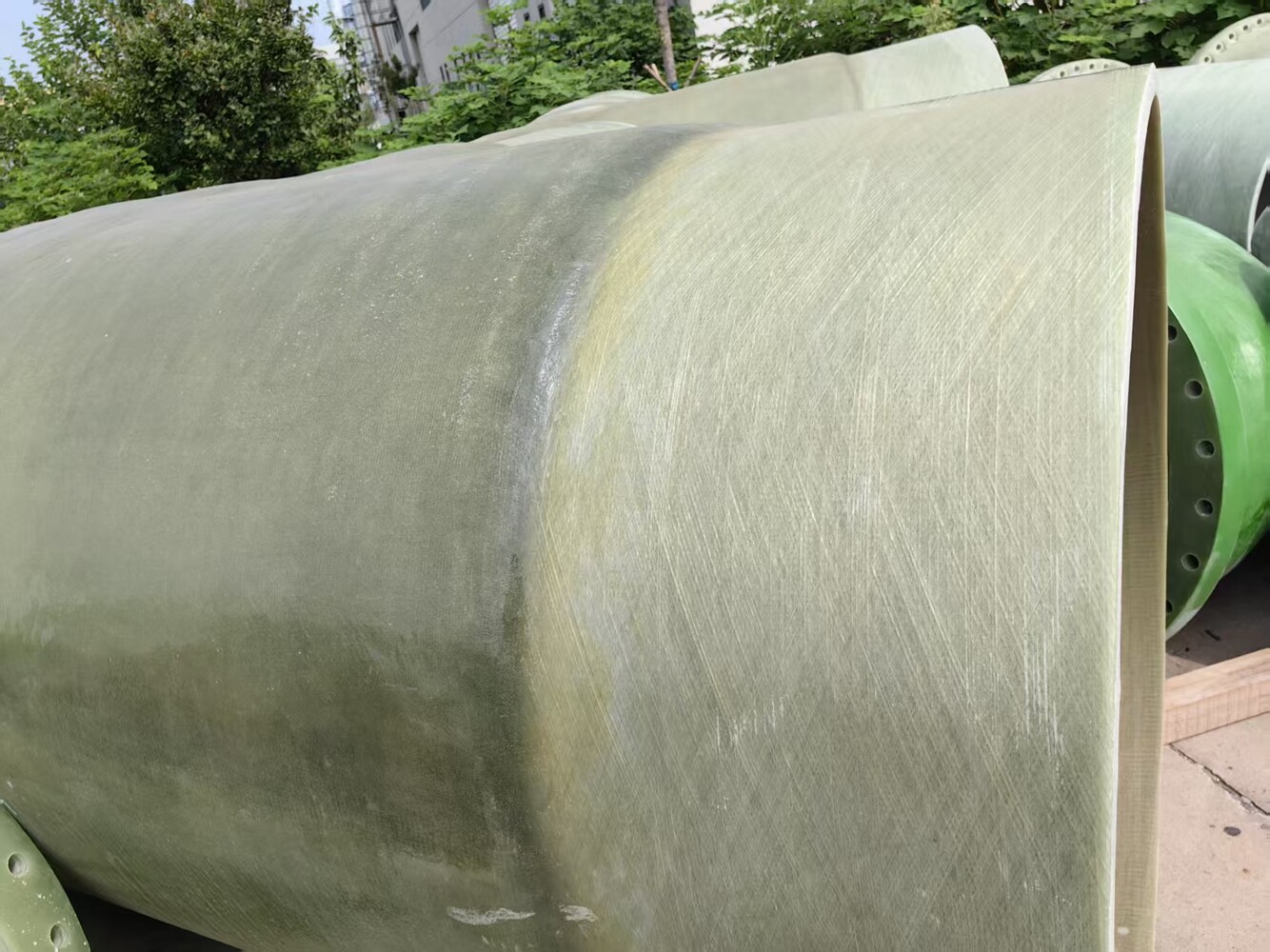
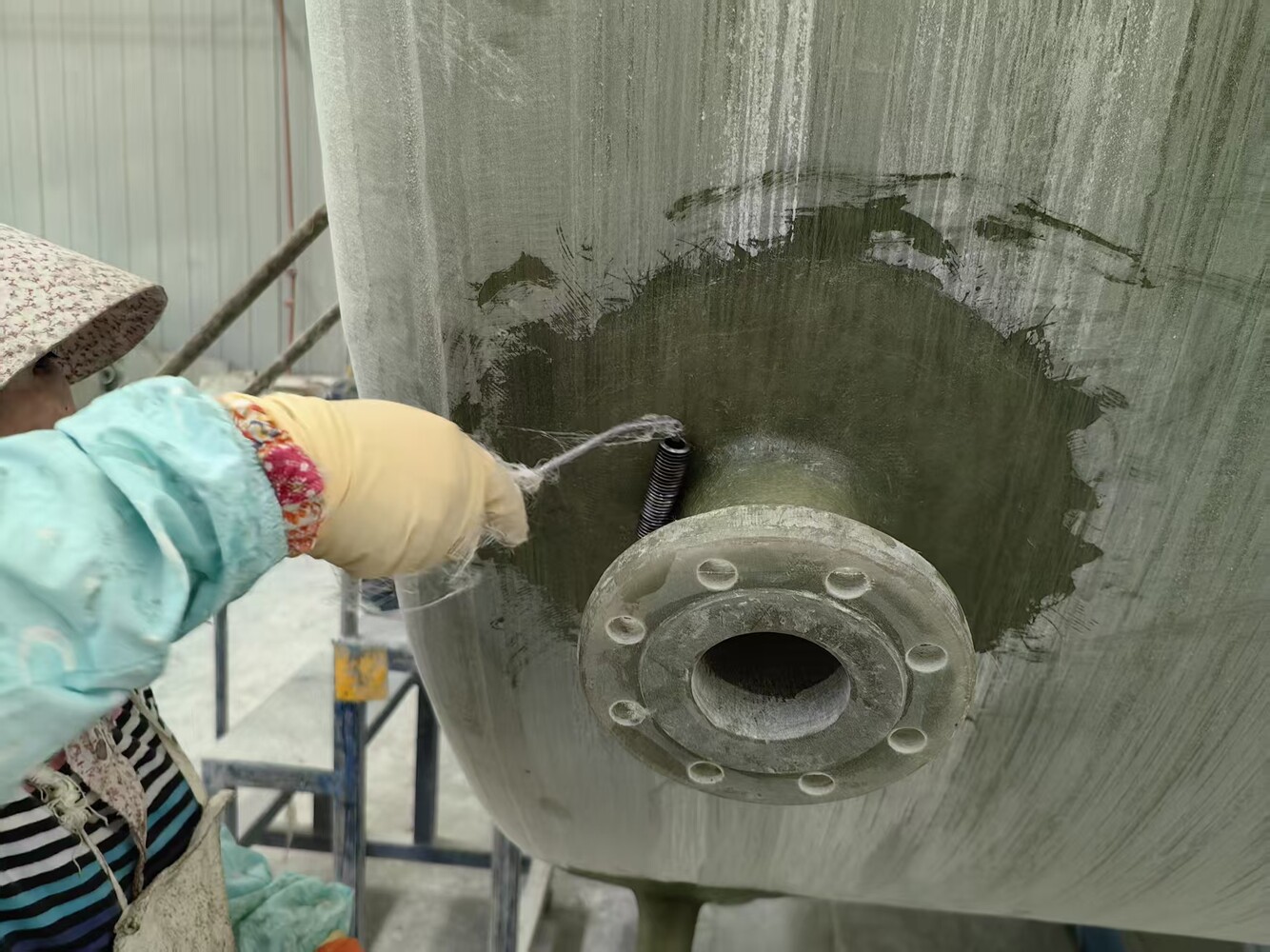
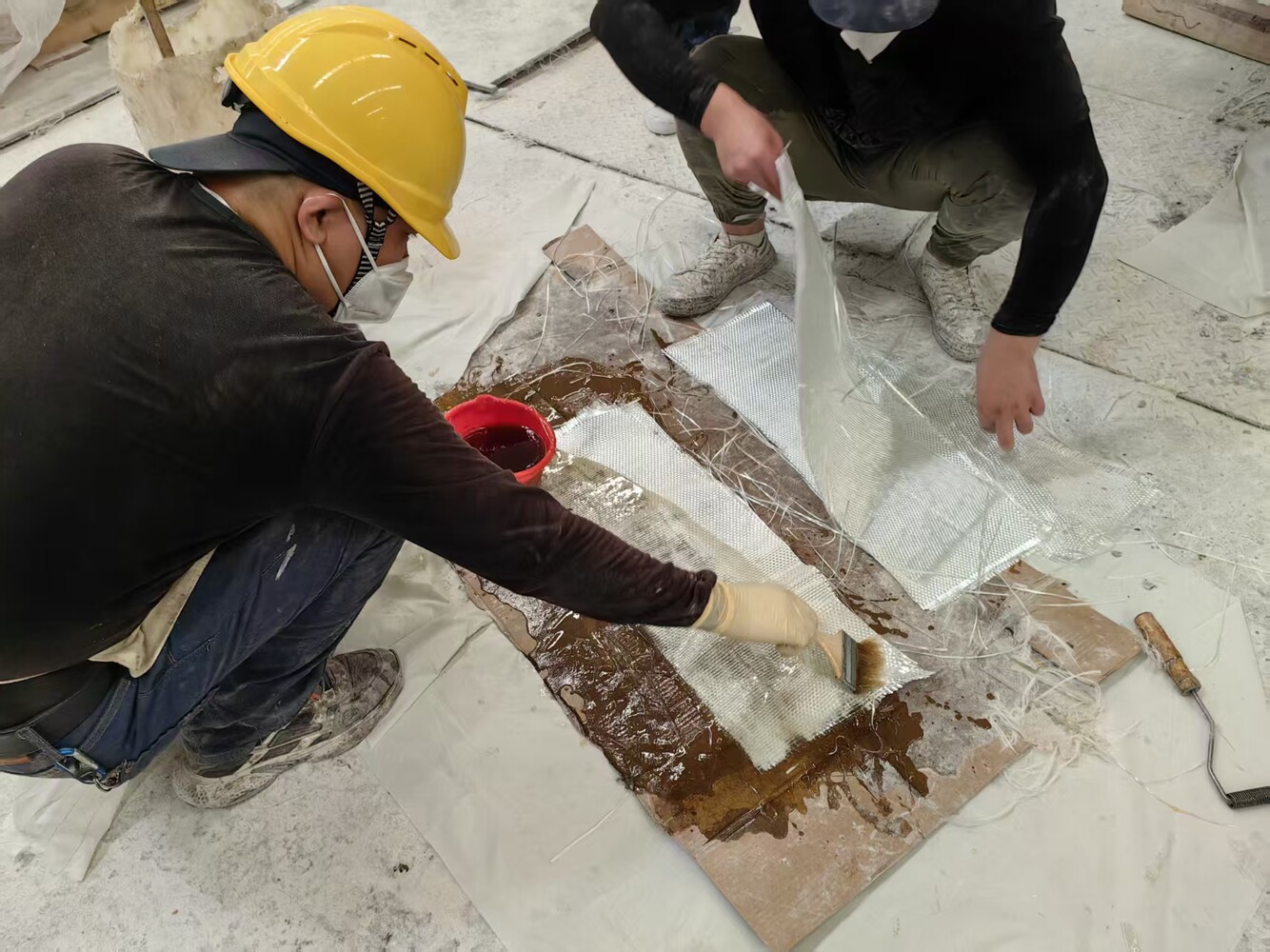
Material qualification and consistency control lay the foundation for reliable FRP performance:
✅ Condition-matched Materials: Resin, glass fiber mats and surface veils shall be strictly selected according to process temperature, pressure and medium corrosion grade. A consistent resin system must be applied throughout fabrication; mixing different resin brands is prohibited.
✅ Minimized Auxiliary Additives: Fillers, curing agents and other auxiliaries shall be used prudently. Unnecessary additions are restricted to avoid compromising curing integrity and long-term corrosion resistance.
✅ Rigorous Incoming Acceptance: Reject and remove all non-conforming materials, including degraded resin, damp or contaminated fiber reinforcements, and expired chemicals.
FRP quality follows the industry rule: 30% material, 70% workmanship. Our third-party inspection focuses on four critical procedures:
(1) Anti-corrosion Liner Construction
The resin-rich liner serves exclusively as the corrosion barrier and is not counted toward structural thickness. The liner surface shall be free of pinholes, voids and fiber exposure. Structural lamination can only commence after full gelation and curing of the liner. All repaired areas require proper sealing to prevent medium penetration and interlayer delamination.
(2) Structural Lamination Control
Follow approved lamination sequences with alternating mat and roving layers; continuous single-type layup is forbidden. Ensure complete wet-out with no dry spots, voids or inclusions. Standardize lap joint overlapping, and prevent layer reduction or insufficient wall thickness to meet structural load requirements.
(3) Fabrication of Stress-concentrated Joints
Integral forming is preferred for high-stress zones such as flanges and nozzles. Joints shall be fully filled and reinforced per design. All cut edges must be resin-sealed to prevent water ingress, edge peeling and interlayer separation. Disordered spray forming is not permitted.
(4) Curing Condition Management
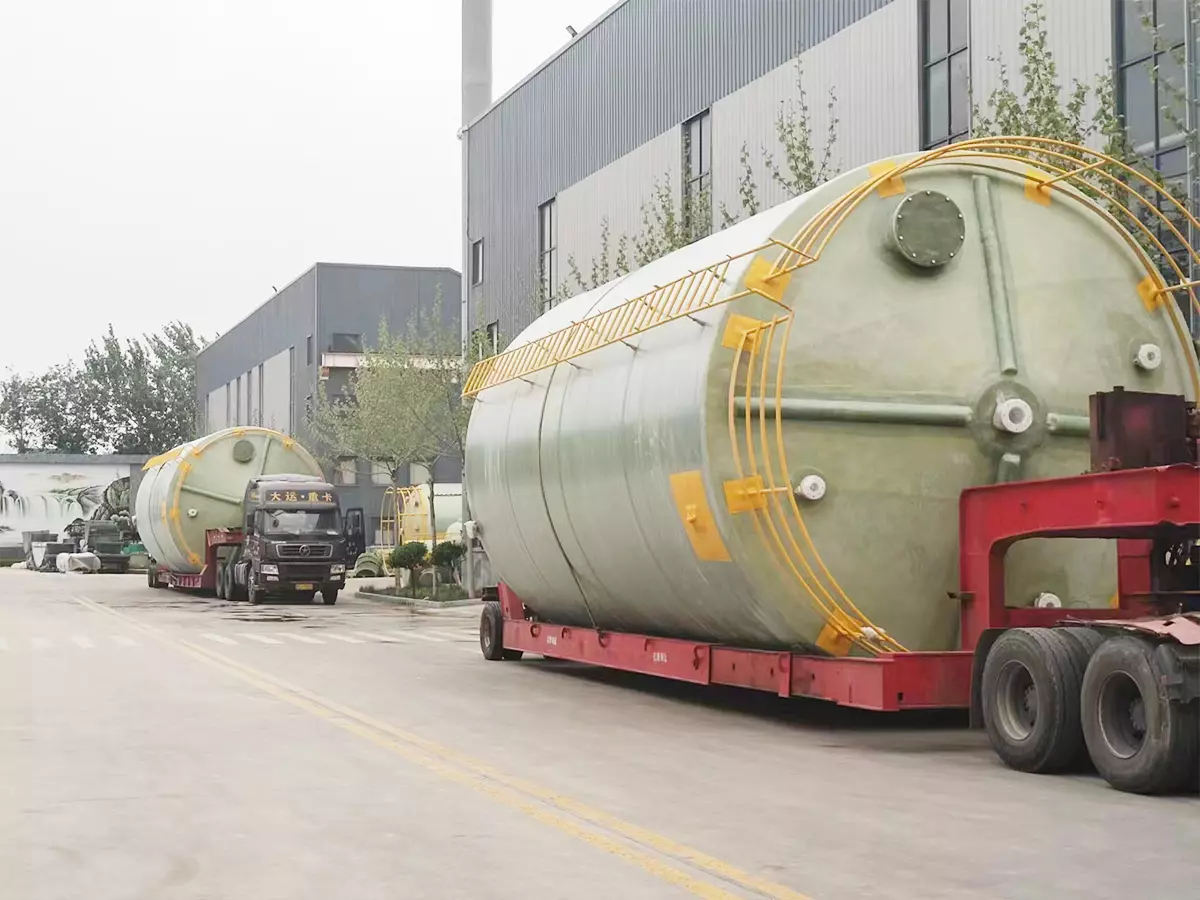
Execute curing parameters strictly with controlled on-site temperature, humidity and curing duration. Post-curing treatment shall be implemented where specified. Incompletely cured components are prohibited from demoulding, transportation and hoisting to avoid deformation and insufficient mechanical performance.
We replace subjective visual checking with standardized, data-based final inspection to ensure full defect closure:
(1) Graded Visual Acceptance: Finished surfaces shall be free of cracks, delamination, extensive voids, burn marks and deep scratches. Minor defects are controlled by dimension and quantity, only acceptable if they impose no impact on structural integrity and anti-corrosion performance.
(2) Performance Sampling Verification: Conduct on-site Barcol hardness tests and acetone rub tests to validate curing quality. Perform wall thickness and lamination inspection. For critical equipment, mechanical property testing is carried out to verify structural reliability.
(3) Structural Integrity Check: Fully verify the integrity of tanks, towers, flanges and reinforcement structures. Confirm adequate reinforcement for small-bore nozzles, and validate supports, lifting lugs and anchor bolts satisfy load, seismic and wind resistance criteria without structural weak points.
(4) Functional Hydrostatic & Pneumatic Testing: Complete hydrostatic, tightness and vacuum tests in compliance with industry standards. No pressure drop, leakage or permanent deformation is allowed during stabilization. All construction, inspection and rectification records are archived for full traceability.
Reliable long-term operation of petrochemical FRP equipment relies on three principles: qualified and process-matched materials, standardized construction discipline, and data-driven final acceptance.
NANJING VILLY INSPECTION CO.,LTD.
Copyright © Nanjing Villy Inspection Co.,Ltd. All Rights Reserved.